A week after a manicure, the skin at the base of the nail starts to dry out, small hangnails appear, and the coating near the lunula no longer looks as neat. You want to grab the nippers and quickly fix everything — and that is exactly where the problem most often arises: a scratch, inflammation, an uneven edge that has to be covered with a plaster until the next visit to the manicurist.
An uncut cuticle is not a refusal to care for it, but a different approach to it. Instead of regularly removing the skin, you work with its condition: soften it, moisturize it, protect it from water and detergents. The result is not noticeable right away, but it lasts longer and is less often accompanied by pain.
- What exactly we call the cuticle and why it should not be cut every week
- The basic daily ritual: three minutes that change the look of your hands
- Morning: protection before contact with water
- During the day: oil instead of the habit of biting or picking
- Evening: moisturizing and gentle cleansing of the fold
- Cream or oil: how to choose and not overload the skin
- Gloves, water and detergents: why this matters more than expensive oil
- What you should not do yourself between manicures
- How to maintain a neat look until the next visit
- When redness or pain requires a doctor’s consultation
- A short weekly checklist
- Frequently asked questions
- Can you not cut the cuticle at all?
- How many times a day should you apply oil?
- Does cuticle remover liquid help?
- What to do if a hangnail has already appeared?
- Can you do cuticle care during pregnancy?
What exactly we call the cuticle and why it should not be cut every week
When people talk about cuticle care, they usually mean not one thin strip, but several different areas around the nail. It is worth distinguishing between them, because they need to be treated differently.
- Cuticle — a thin epidermal film that grows onto the nail plate from the base side. It covers the nail growth zone.
- Nail fold — the skin ridge around the nail on the sides and at the base. It is this that most often dries out and cracks.
- Hangnails — small peeling pieces of skin that are easy to tear off and introduce an infection.
- Pterygium — a thin film that grows onto the nail plate; it is removed during a manicure carefully, not scraped off with force.
The skin around the nail performs a protective function. When it is cut too deeply, the body responds with a thickening of the stratum corneum — and the next time the cuticle looks denser and coarser. In addition, microtraumas from nippers and cuts are open entry points for bacteria, especially if you wash dishes without gloves or work in the garden.
This does not mean that a trimmed manicure is forbidden. It is about something else: between visits to the manicurist, home care should be supportive, not surgical. If you want to gradually switch to an uncut cuticle, cutting should be left to the manicurist and its scope gradually reduced, rather than doing your own “repairs” every week.
The basic daily ritual: three minutes that change the look of your hands
Hand care between manicures does not require a separate slot in your schedule. It fits into what you already do: washing your hands, evening washing, watching a series.
Morning: protection before contact with water
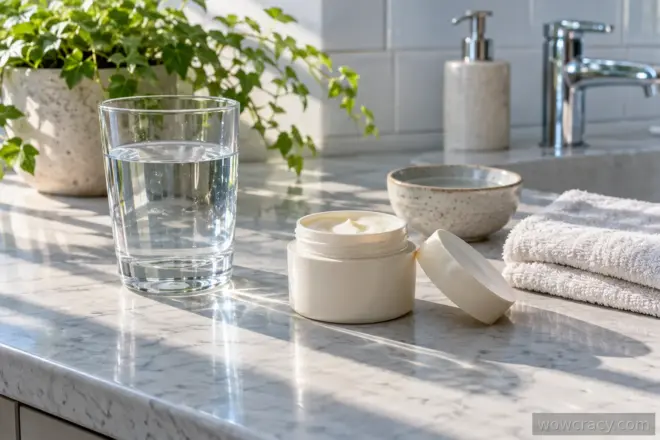
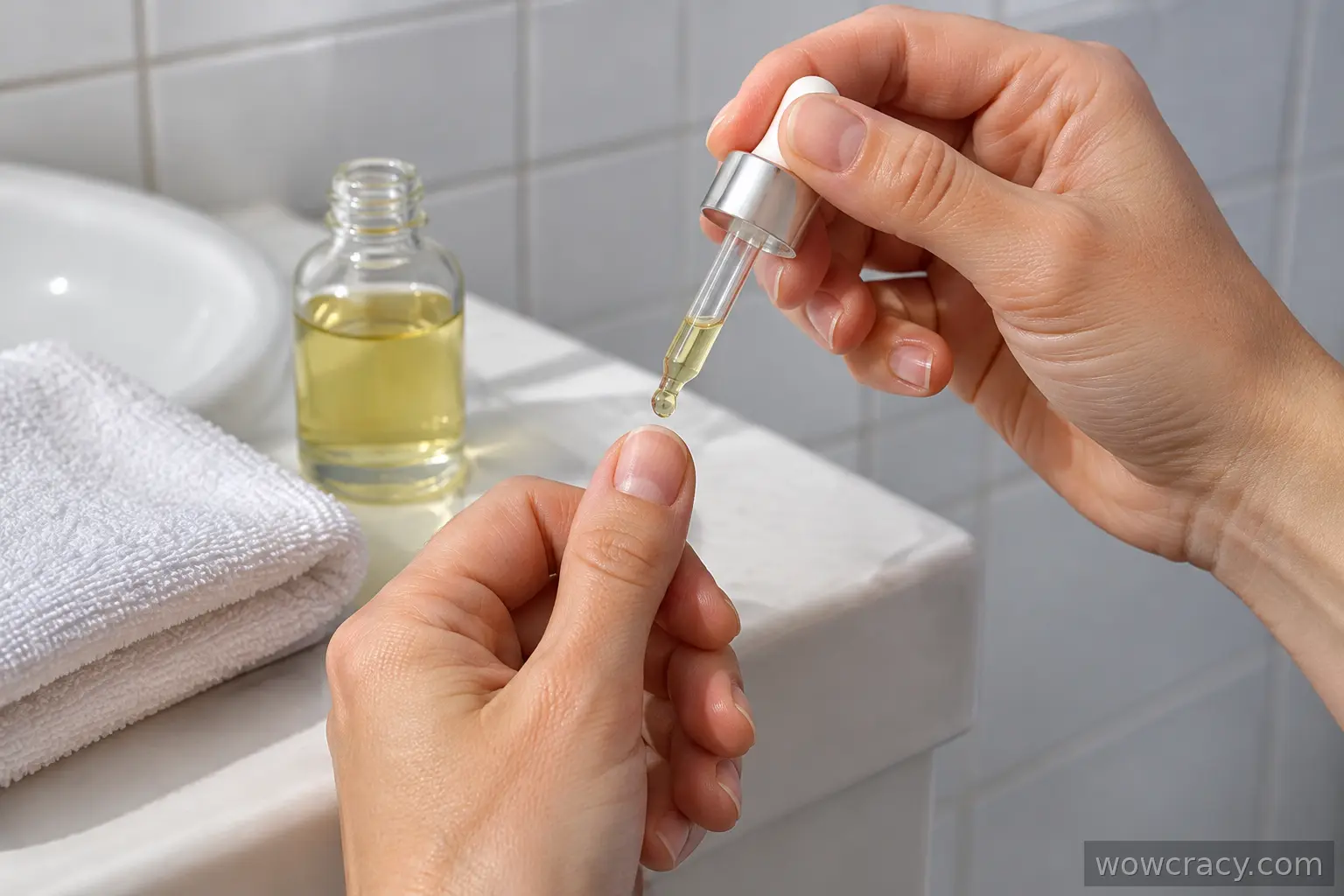
After your morning wash, apply hand cream while the skin is still slightly damp. A damp layer under the cream retains water in the epidermis better than cream on dry skin. If cleaning, laundry or prolonged work with papers is ahead, add cuticle oil in a targeted way — a drop on each nail fold.
During the day: oil instead of the habit of biting or picking
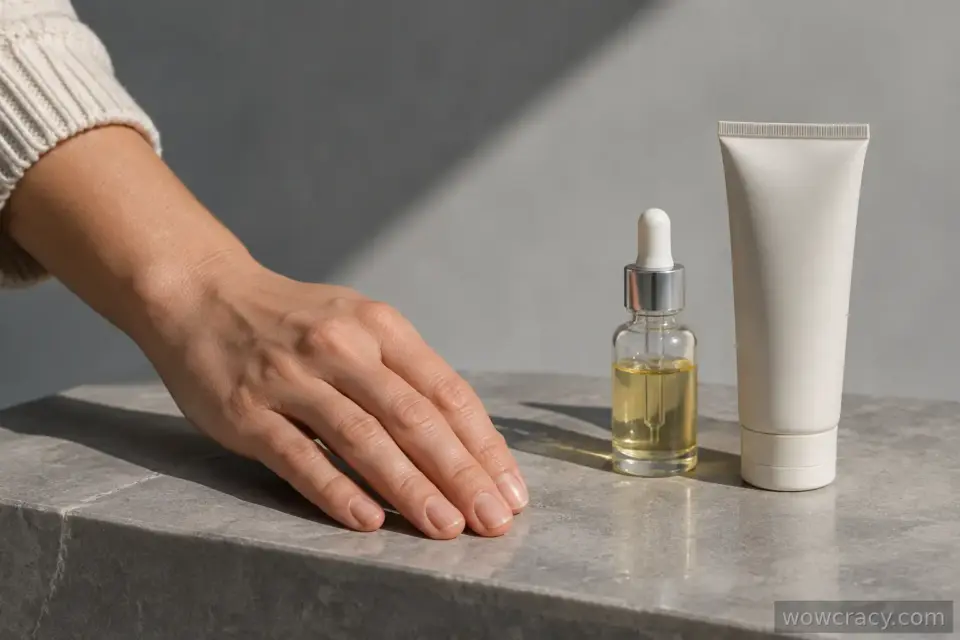
Cuticle oil is the most convenient tool for maintenance. It softens the stratum corneum, reduces the feeling of tightness and makes hangnails less noticeable. The format does not matter: a pencil with a brush, a dropper or a small bottle with a dispenser. What matters more is that the bottle lies where you are: on your desk, by the bed, in your bag.
Among the ingredients, it is worth paying attention to jojoba, almond, grapefruit, gumi oil. Gumi oil dissolves sebum residues well and is often included in cuticle products. If the skin is very dry, the oil can be applied over the cream — this will not hurt, and sometimes gives a more pleasant feeling.
Evening: moisturizing and gentle cleansing of the fold
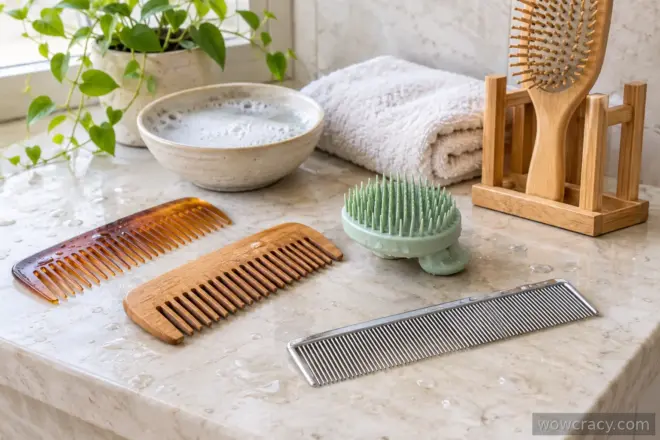
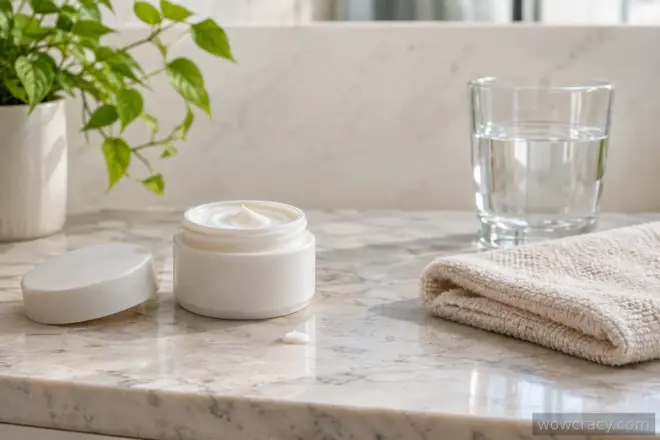
In the evening, after you have washed off your makeup and brushed your teeth, apply a richer cream or balm for hands and cuticles. If there are remnants of polish or dust on the fold, gently go over it with a soft brush with soapy foam — without rubbing and without hot water.
Once every two to three days it is useful to make a short compress: apply a thick layer of cream with urea or oil, put on cotton gloves for 10–15 minutes. This is not a treatment, but a way to give the skin more moisture than it manages to absorb in a minute.
Cream or oil: how to choose and not overload the skin
The most common mistake is to apply many products at once and expect an instant result. The skin around the nails is thin, and an excess of product is more likely to make your hands sticky than to help.
| Product | When it is appropriate | What to pay attention to |
|---|---|---|
| Cuticle oil | Several times a day, targeted on the fold | Absorbs quickly, convenient for a bag; does not fully replace hand cream |
| Hand cream | After every hand wash and before bed | Look for urea, glycerin, panthenol, lanolin; avoid strong fragrances if the skin is irritated |
| Cuticle balm | In the evening or in cold weather | Denser texture, works well under cotton gloves |
| Restorative product with urea | For noticeably dry skin around the nails | Start with a low concentration, monitor the skin’s reaction |
If you use gel polish, remember: a product with a high oil content can soften the edges of the coating. Apply the oil in a targeted way to the skin, not to the entire nail plate, and blot the excess with a napkin.
Gloves, water and detergents: why this matters more than expensive oil
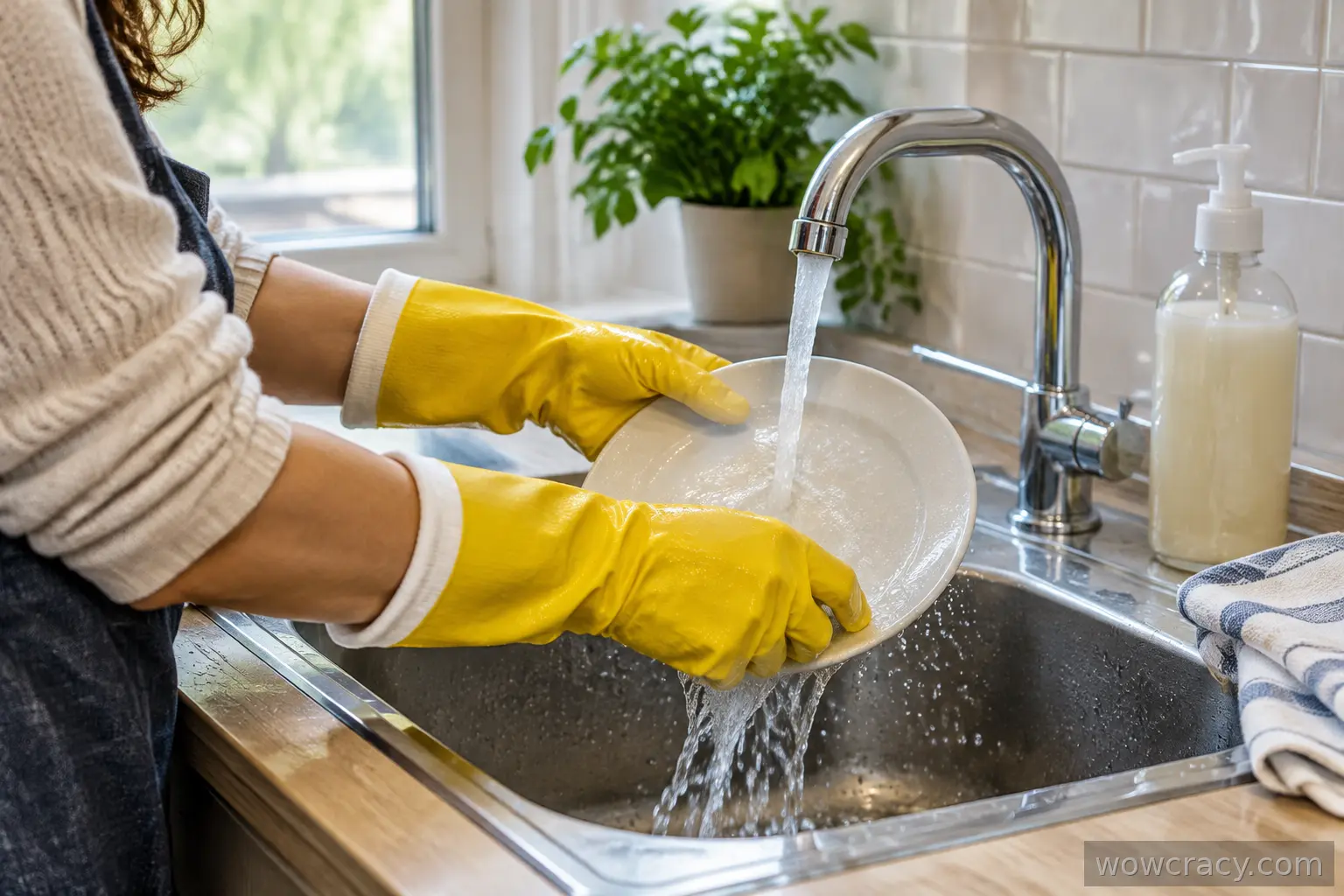
You can have the most expensive cuticle balm, but if you wash dishes every day with hot water without gloves, the skin will still dry out. Hot water and alkaline detergents wash out the lipid barrier, and the fold begins to peel.
Practical habits that give more than any product:
- Rubber gloves for washing dishes, cleaning and laundry — even for five minutes. If gloves are uncomfortable, choose a model with a cotton lining.
- Warm, not hot water for washing hands; liquid soap with mild surfactants instead of antibacterial for every contact.
- Blot your hands with a towel and immediately apply cream — do not leave them to dry in the air.
- When working with paper, cardboard or dust — gloves or frequent moisturizing, because a dry environment draws moisture from the skin.
- In winter — gloves outside, because cold wind increases dryness and cracks on the folds.
Separately about sanitizers: alcohol gels for hands are appropriate in public places, but at home, where there is water and soap, they are not needed. Frequent use of alcohol without subsequent moisturizing is one of the typical causes of dry skin around the nails.
What you should not do yourself between manicures
The most damage comes not from a lack of care, but from attempts to “fix” the cuticle with improvised means.
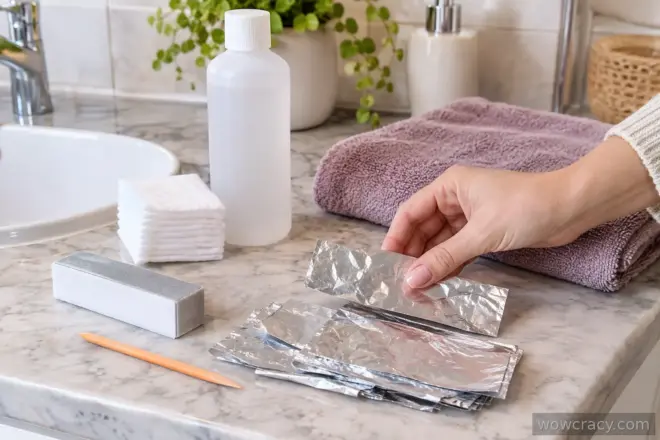
- Do not cut the cuticle with nippers “dry”. Without prior softening, the skin tears rather than cuts evenly.
- Do not tear off hangnails. Even if the piece hangs on a thin thread, tearing leaves an open wound.
- Do not push back the cuticle with a metal pusher with force. Light pushing with a wooden or silicone stick after a shower is one thing; pressure to the point of pain is something completely different.
- Do not use cuticle remover liquid on damaged skin. Alkaline formulas irritate wounds.
- Do not try to “cure” redness with cosmetics. If there is pain, swelling or pus — this is no longer a cosmetic matter.
- Do not do a home “manicure” on the eve of a visit to the manicurist. Scratches and irritation complicate the work and may force the manicurist to refuse the coating.
A separate topic is tools. The pusher, nippers and scissors should be individual, clean and dry. If you use them at home, disinfect them after each use according to the product instructions. Do not lend tools and do not borrow others’.
How to maintain a neat look until the next visit
Between manicures, the most noticeable things are not the folds themselves, but small details: the grown-out area at the base, the matte look of the skin, the uneven edge of the coating. This can be worked on without nippers.
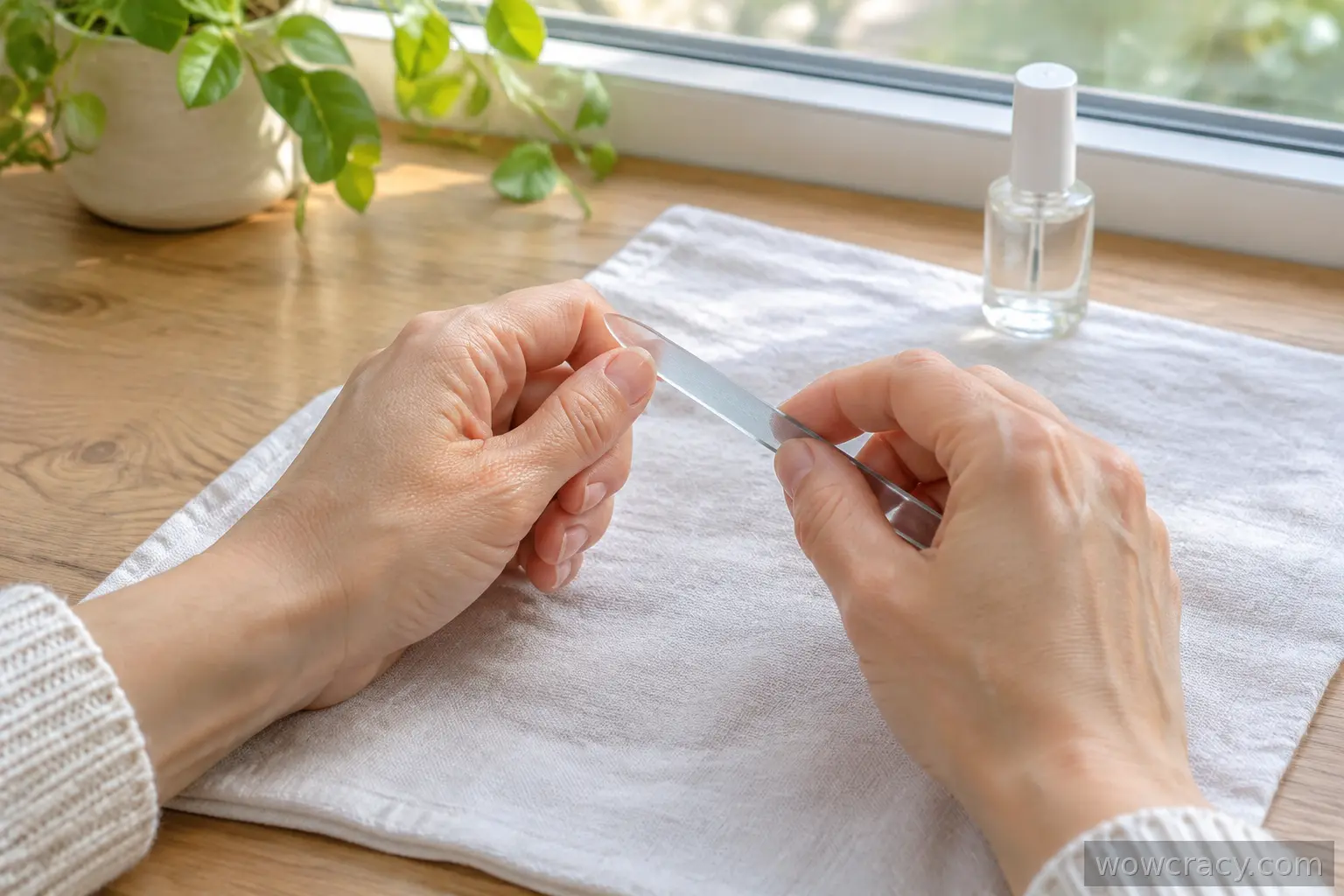
First, keep your nails the same length and shape. When one nail breaks, the temptation to file the others “to match” is great, but even length looks neater and catches less on clothing. File in one direction, without a “back-and-forth” file, especially if your nails are thin.
Second, use a clear strengthening coating or a base layer if you want to protect the plate without color. This does not replace cuticle care, but reduces the risk of nails delaminating from water.
Third, if the coating has started to lift at the base, do not glue it down or cut it off yourself. Careful removal is a job for the manicurist or for home removal according to the manufacturer’s instructions, without picking it off.
And fourth, agree with yourself on a realistic schedule. For many women, a visit once every three to four weeks is enough, and between them — daily moisturizing and protection of the hands. If the skin is very dry, the interval can be shortened, but not at the expense of more aggressive cutting.
When redness or pain requires a doctor’s consultation
Home care is cosmetic maintenance. It does not treat infections, fungus or inflammation. It is important to distinguish these things so as not to lose time.
Consult a doctor if you notice at least one of the signs:
- swelling, redness and pain around the nail that persist for several days or worsen;
- pus or a sharp unpleasant odor from the area near the nail;
- fever, chills, general malaise together with a problem on the finger;
- a change in the color or shape of the nail, its peeling without injury;
- bleeding cracks that do not heal despite moisturizing;
- repeated inflammations on the same finger.
People with diabetes, circulatory disorders or weakened immunity should be especially attentive: for them, even a small scratch on the finger requires closer monitoring. In such cases, you should not self-treat and it is better to consult a doctor in advance before doing home procedures.
Do not try to “disinfect” inflammation with alcohol or hydrogen peroxide and seal it with a plaster for several days. This is dangerous self-treatment: it can worsen the condition and mask symptoms that are important for diagnosis.
A short weekly checklist
If you want to start today, these points are enough:
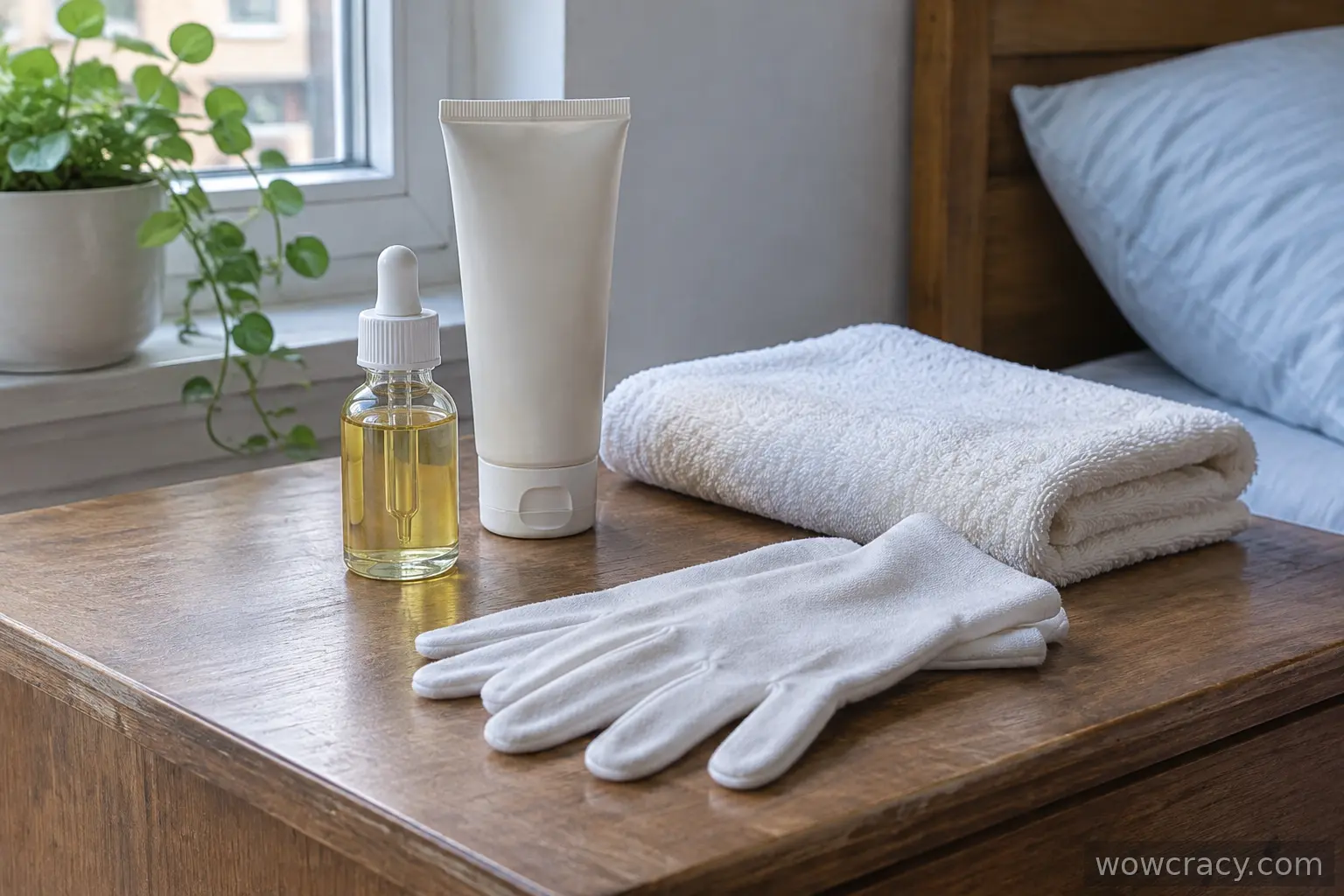
- Put the cuticle oil where you will see it: on the table, by the bed, in your bag.
- Apply cream after every hand wash, while the skin is damp.
- Once a day, moisturize the folds with oil in a targeted way.
- Once every two to three days, make a short compress with cream under cotton gloves.
- Wash dishes and clean in gloves.
- Do not touch hangnails and do not cut the cuticle yourself.
- If pain, swelling or pus appears — go to a doctor, not to a new product.
The greatest effect comes not from a single “magic” product, but from regularity. The skin around the nails recovers gradually, and after two to three weeks of calm care the difference is usually visible: fewer hangnails, a softer fold, a neater look even without a fresh coating.
Frequently asked questions
Can you not cut the cuticle at all?
Yes, many people live for years without cutting if the skin is moisturized and not injured. But this does not mean that the cuticle cannot be cleaned at all: the manicurist can carefully work with pterygium and excess, without cutting deeply.
How many times a day should you apply oil?
Focus on how the skin feels. Two to three times a day is a reasonable start; if your hands are constantly in water, you can do it more often. Blot the excess with a napkin so as not to transfer it to the keyboard or clothing.
Does cuticle remover liquid help?
Alkaline liquids soften the stratum corneum but do not remove dryness. They are appropriate to use occasionally and only on healthy skin, not as a daily product. After use, be sure to moisturize your hands.
What to do if a hangnail has already appeared?
Do not pull it. Carefully cut only the dry edge with clean small nail scissors, then apply cream and cover the area with a plaster for a few hours if it catches on clothing. If redness and pain appear — this is a reason to consult a doctor.
Can you do cuticle care during pregnancy?
Regular moisturizing and oils usually do not pose a problem, but the composition of products and any active ingredients should be agreed with the doctor managing the pregnancy. Avoid home procedures with potentially irritating formulas.