You come home wanting to share your news, and your partner says: “I need to be alone for a bit.” In that moment it’s easy to feel rejected. But this phrase doesn’t always mean a desire to escape from you. Often it’s a signal of exhaustion, a need to recharge, or simply to reset your thoughts after a full day. The difference between healthy solitude and emotional pressure lies not in the need itself, but in how the partner communicates it and what happens afterward.
In this article we’ll look at typical situations where one person wants space and the other hears a refusal. You’ll find concrete phrases for asking for time alone, guidelines for agreements about duration and contact, and signs of when solitude turns into punishment.
- Why the need to be apart doesn’t always mean distance
- How to ask for time alone respectfully
- What to agree on regarding duration and contact
- When solitude becomes a way of applying pressure
- How to preserve closeness when one wants space
- A practical algorithm: what to do when a partner asks for time alone
- Frequently asked questions
- Does the desire to be alone mean the partner has fallen out of love?
- How much time alone is considered normal?
- How do I tell my partner I lack attention when they go into solitude?
- Can I refuse my partner solitude?
Why the need to be apart doesn’t always mean distance
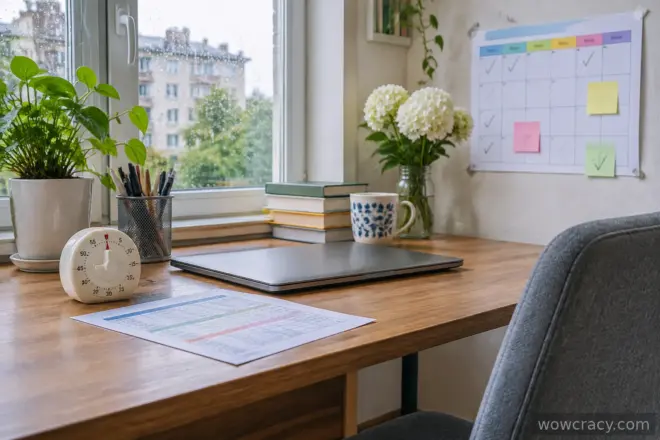
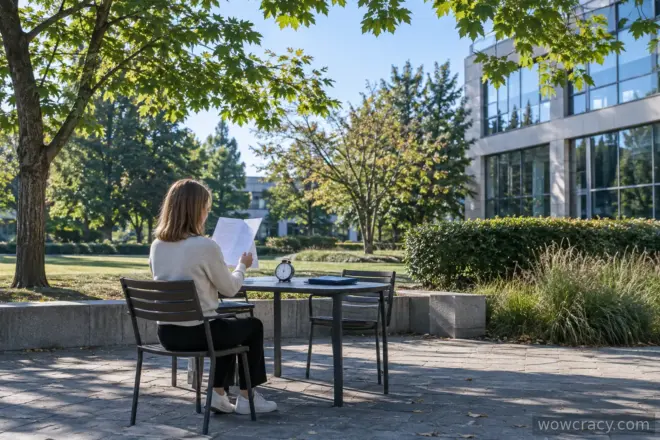
Imagine: after eight hours of meetings and a traffic-jammed commute, Olena comes home and wants 20 minutes of silence. Her husband Andrii takes this as “she doesn’t want to see me.” In reality, Olena doesn’t need to avoid Andrii—she needs to lower her sensory load so she can later be in contact with him. If she immediately started talking about her day, she’d most likely become irritable and withdrawn. A short time alone here isn’t an obstacle to closeness—it’s a way of preserving it.
People rest in different ways: some want company, others quiet. Asking for time alone does not by itself reveal someone’s feelings for their partner. Discuss differing needs and shared responsibilities without coercion.
Distinguish a short pause from persistent withdrawal without guessing its cause from duration alone. Stress, health or relationship difficulties can contribute. If a change worries you, ask calmly what is happening and what support is needed.
When you hear “I need to be alone,” try asking yourself two questions. First: is this a one-off situation related to fatigue, stress, or a packed schedule? Second: does the partner return to contact later, or avoid it systematically? The answers will help you distinguish a natural need from a worrying pattern.
How to ask for time alone respectfully
Most often, offense arises not from the need itself, but from the way it’s communicated. The phrase “Leave me alone, I’m tired” sounds like pushing away. The same need, expressed differently, is perceived as care for the relationship: “I need 30 minutes of quiet to recharge. Then I want to hear how your day went.” The difference lies in acknowledging the other person’s feelings and in the promise to return to contact.
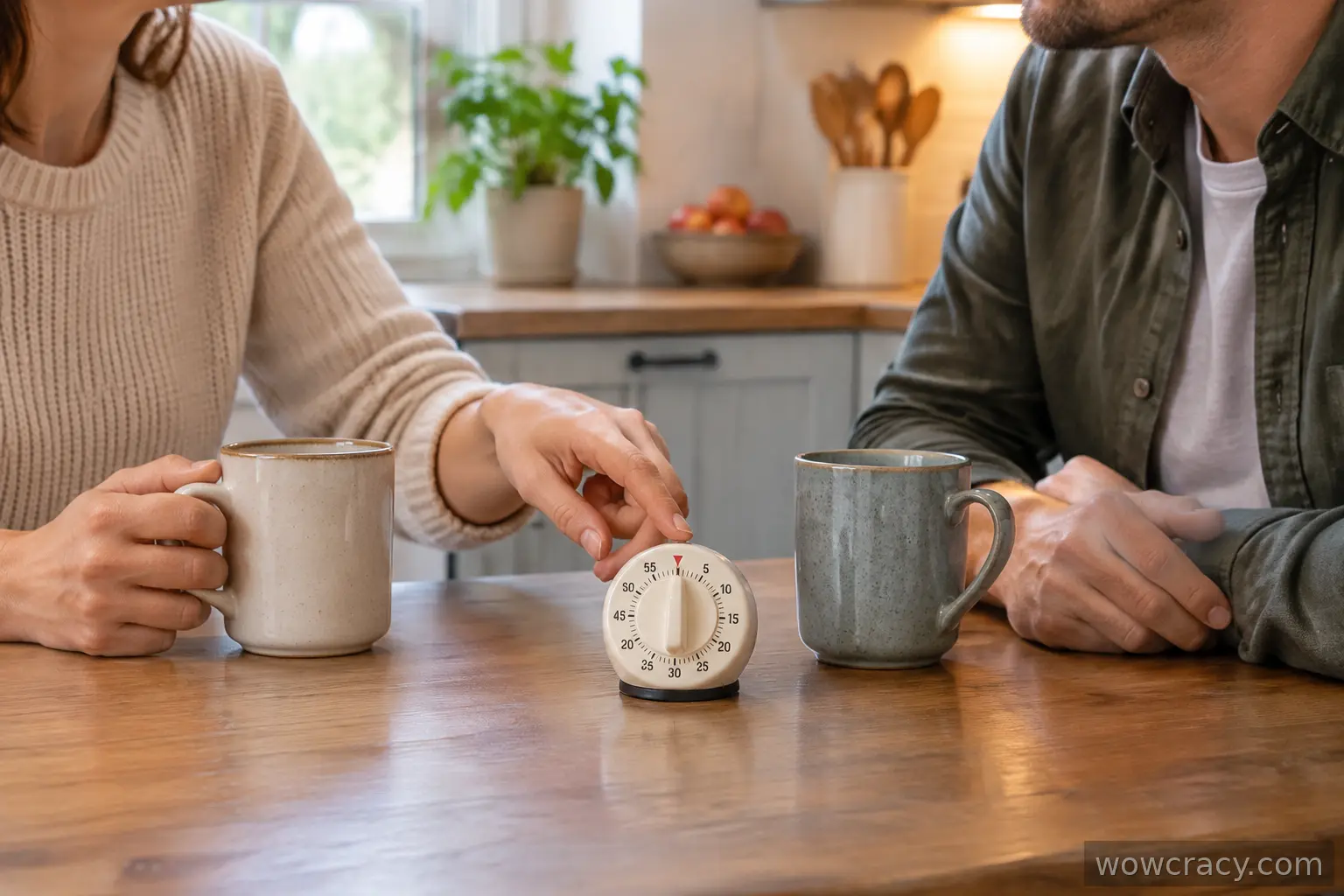
Here are a few principles that help formulate a request for personal space in a relationship without offense.
- Speak from “I,” not “you.” Instead of “You’re always on my case”—”I need a break to collect my thoughts.”
- Name a specific time and way of returning. “I need an hour. At 19:00 I’ll be ready for dinner and a conversation.”
- Acknowledge your partner’s feelings. “I understand you want to share, and that’s important. Give me a little time, and I’ll listen attentively.”
- Avoid generalizations and accusations. “I feel bad when I don’t have a single minute for myself”—this is about your state, not about your partner being bad.
You may choose to say how you will rest, such as reading or taking a walk. This is not an obligation to account for every action. For regular personal time, coordinate shared plans, childcare and rest for both partners.
Sometimes it’s easier to ask for time at a neutral moment, rather than when emotions are already at their limit. For example, over morning coffee say: “Listen, after work I’ll need half an hour of quiet. It’s not about you—I’m just recharging.” Such a preventive conversation reduces the likelihood that your partner will perceive your need as a sudden rejection.
What to agree on regarding duration and contact
When both agree that time alone is needed, it’s worth moving the conversation to the plane of concrete agreements. Without this, even a sincere request can cause anxiety: how long will it last? Is it okay to disturb them? What counts as a boundary violation? Answers to these questions relieve tension.
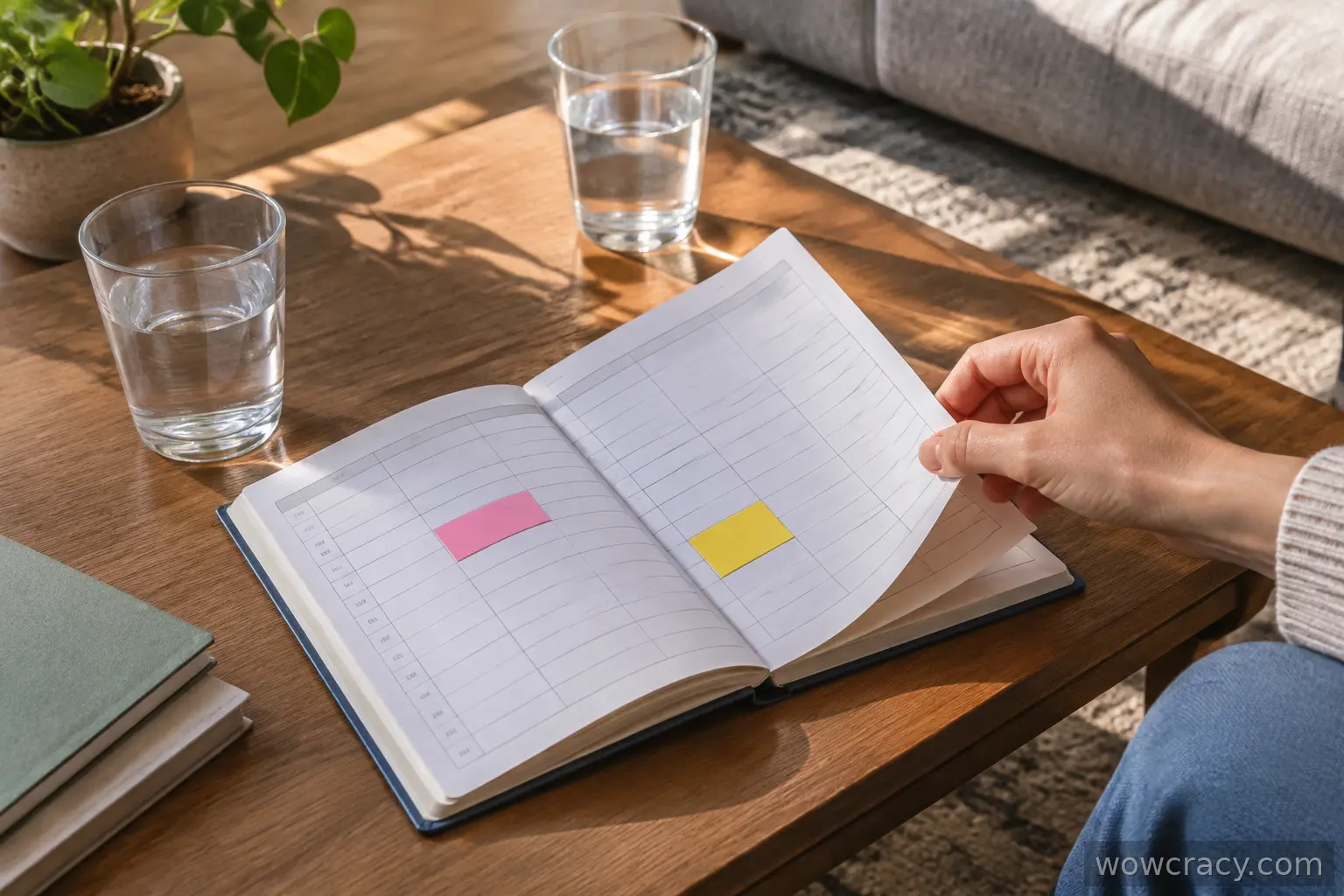
Give a realistic estimate and a time to check in again. Examples such as 15 minutes or an hour are not universal standards. If you need longer, communicate the change when possible; an agreement should not become minute-by-minute monitoring.
The second point is contact during solitude. Agree on whether it’s okay to text or call if something urgent comes up. For example, you can set a rule: “If something important comes up—text me, I’ll reply as soon as I can. If it’s not urgent—wait until I’m back.” This isn’t a restriction of freedom but a way to avoid misunderstandings.
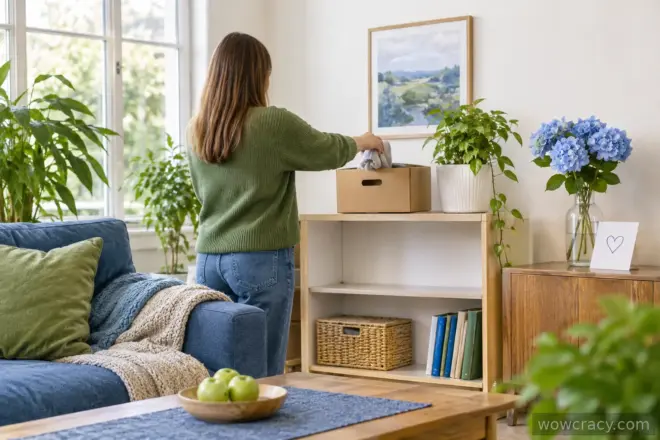
The third point is place. Is it a separate room, a walk, or the café around the corner? If the home is small and it’s hard to set aside physical space, you can agree on a “quiet hour” when no one approaches each other. It’s important that the partner doesn’t feel they’re being kicked out of their own home.
The fourth point is what to do if the need for solitude arises suddenly, without warning. For example, you come home from work exhausted and can’t talk. In that case, a short phrase is enough: “Right now I really need to be alone. I’ll come back to the conversation in an hour.” This is better than silently shutting yourself in a room.
So that agreements don’t remain just words, they should be reviewed from time to time. Life changes: a new job, children, a move. What worked a year ago may not suit today. Every few months, set aside 10 minutes to ask each other: “How do you feel about our agreement on personal time right now? Does anything need to change?”
When solitude becomes a way of applying pressure
Context and recurring patterns matter. Silence can reflect overwhelm rather than deliberate punishment. Deliberately withholding contact to coerce someone, however, calls for attention to safety and boundaries.
A missing explanation can hurt, but does not prove an intent to punish. Once both are calmer, agree on a brief pause signal and a return to the topic. Do not force a conversation if speaking now is unsafe.
Look for repeated coercion, such as restoring contact only in exchange for compliance, threats or control over resources. Leaving an insulting or threatening conversation to protect yourself is a valid boundary, not proof of manipulation.
The third sign is duration not matching the agreement. You wait an hour, but the partner doesn’t come out for three. You ask if everything’s okay, and the response is irritation or accusation. If this repeats systematically, it’s worth talking about what’s going on.
The fourth sign is solitude accompanied by belittling your feelings. “You’re exaggerating,” “You always make everything complicated,” “I need a break from you”—these phrases can be a way of shifting responsibility for the tension onto you. In healthy communication, a partner acknowledges that their need affects you and is willing to discuss it.
If it is safe to talk, describe the specific situation and what you need. Couples counselling may help when both participate willingly. If there is fear, threats, control or abuse, seek individual confidential support from a qualified professional or local service first; joint therapy is not universally safe.
How to preserve closeness when one wants space
The need for personal space doesn’t contradict closeness if both understand its nature. Try approaching this as teamwork: not “me against you,” but “we’re looking for a solution together that suits both.” Sometimes a few phrases are enough for the tension to subside.
An example: “I need a break.” “I understand. When can we talk again?” “Let’s try in an hour; I’ll say if I need longer.” This makes expectations clearer, without guaranteeing that difficult feelings disappear immediately.
When ready to reconnect, say so and listen to your partner. Suggest a conversation or shared activity if both want it. Consistency and respect for agreements matter more than a mandatory ritual after every break.
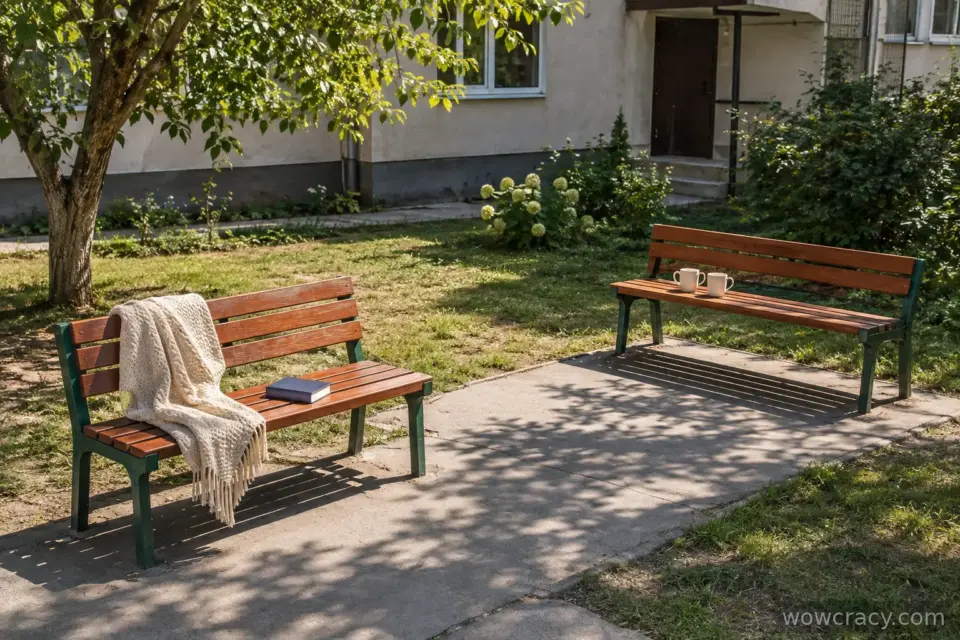
Sometimes it’s helpful to create rituals that mark the transition from solitude to togetherness. For example, a cup of tea together after the quiet hour or a short walk. This helps the partner feel they haven’t been left forever, just given a pause.
If you’re the one who lacks attention when your partner goes into solitude, think about what you can do during that time. Calling a friend, a book, exercise—anything that gives you a sense of your own life rather than waiting. When you don’t depend on your partner every minute, their need for space doesn’t look like a threat.
A practical algorithm: what to do when a partner asks for time alone
To avoid getting flustered in the moment, you can keep a simple plan in mind. It doesn’t guarantee an ideal result every time, but it helps reduce offense and misunderstanding.
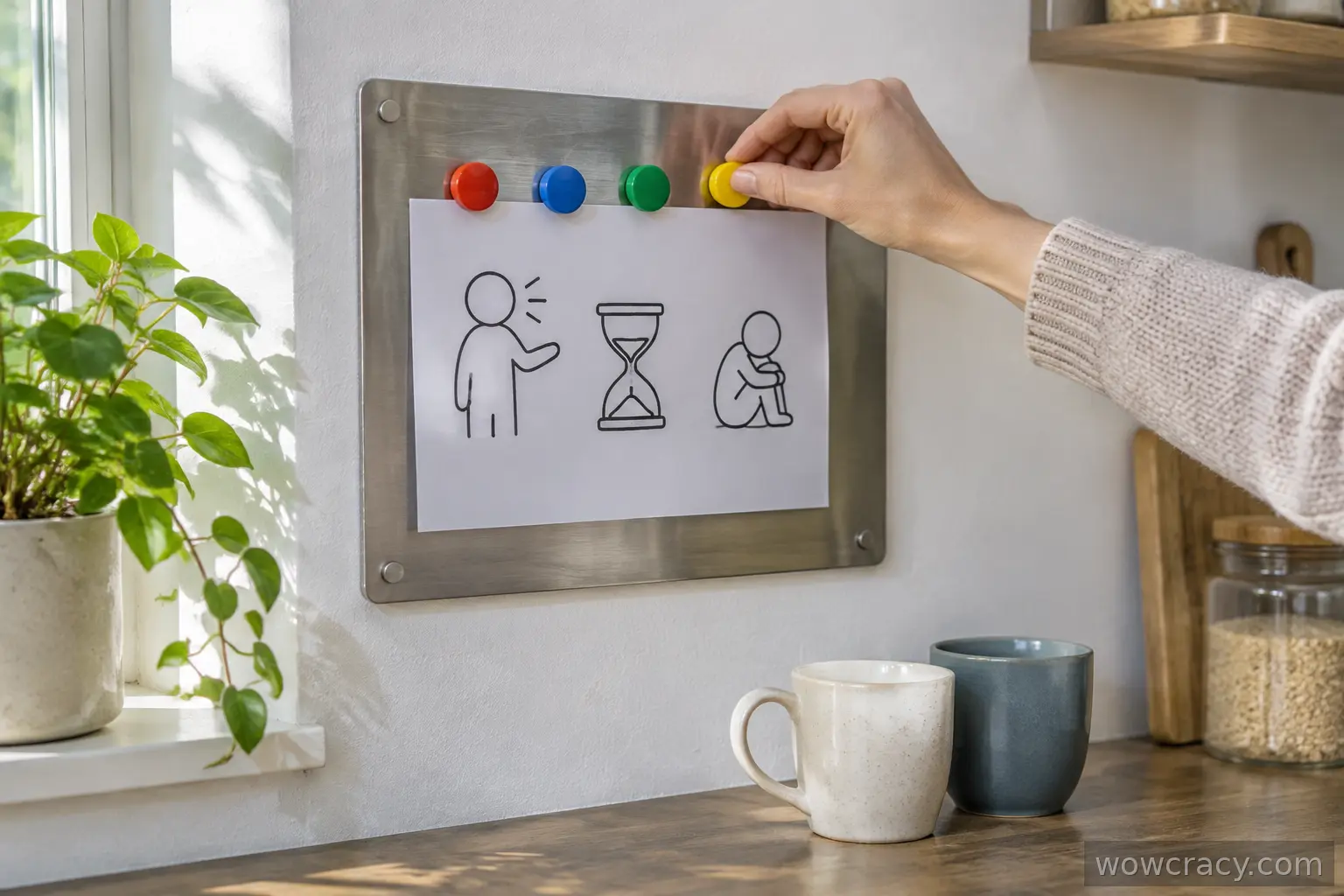
- Acknowledge your partner’s need without immediate judgment. Say: “I hear that you need time. Okay.”
- Clarify the details: how much time, whether you can get in touch, when to expect a return to contact.
- Agree on a completion signal. For example, the partner will text “I’m back” or simply come out of the room.
- Go about your own business instead of waiting passively. This reduces anxiety and gives a sense of control.
- After your partner returns, don’t start with reproaches. Listen first, then say how you feel, if appropriate.
- If the situation repeats and causes stress, initiate a calm conversation about boundaries in the relationship at a neutral time.
This algorithm isn’t a rigid instruction. Different couples may have their own particularities. The main thing is to maintain respect for each other’s needs and not to use space as a tool of punishment.
Frequently asked questions
Does the desire to be alone mean the partner has fallen out of love?
Not necessarily. The need for solitude is often related to exhaustion, stress, or temperament traits. If the partner returns to contact and shows attention, it’s not a sign of lost feelings. However, if solitude becomes chronic and is accompanied by avoidance of any closeness, it’s worth finding out the reasons.
How much time alone is considered normal?
There’s no universal norm. For some, 15 minutes is enough; for others, several hours are needed. It’s important that the duration be acceptable to both and not disrupt shared plans. Agree each time or set a flexible rule.
How do I tell my partner I lack attention when they go into solitude?
Speak about your feelings without blaming. For example: “When you go away for a long time without warning, I feel lonely. It would help me if you said when you’ll be back.” Avoid phrases like “you always” and “you never.”
Can I refuse my partner solitude?
You can’t forbid an adult from being alone. But you can express your feelings and suggest a compromise about time and manner. If the need for solitude is used for pressure, that’s a reason for a serious conversation, not for prohibitions.
Personal time and closeness can be negotiated without bans or monitoring. Start with a specific agreement covering both partners’ rest and shared duties. For recurring conflict, choose support with safety and willingness in mind.