You tried on your favorite shirt, which fits perfectly, and you want to order the same one online. But the site only has the letters S, M, L and a table with incomprehensible centimeters. Sound familiar? The size on the label is a conventional reference point that means different circumferences at different brands. It is more reliable to go by your own measurements, the measurements of a ready-made garment and information about the fabric. Below is a step-by-step checklist that will help you place a successful order.
- Which body measurements to take before buying
- How to measure a garment that fits well
- How to read the seller’s size chart
- What to consider about fabric and cut
- A practical checklist before ordering
- What to do if the item does not fit
- Frequently asked questions
- Can size be determined by height and weight alone?
- What to do if you are between sizes?
- Should you always trust reviews about size?
- How to check whether an item will shrink after washing?
- Brief summary
Which body measurements to take before buying
Use a flexible measuring tape. Measure over underwear or thin clothing, standing naturally without tensing. Keep the tape level and untwisted without compressing your body. Repeat each measurement and record it in centimetres.
The mandatory minimum for tops (shirts, blouses, sweaters, jackets):
- Bust — at the fullest points, holding the tape horizontally.
- Waist: around your natural waist or as the brand directs; measure separately where a low-rise waistband will sit.
- Hips — at the widest part of the buttocks, with your legs together.
- Sleeve length — from the shoulder joint (bone) to the wrist or to the desired length.
- Shoulder width — from the edge of one shoulder to the edge of the other across the back.
For bottoms (trousers, jeans, skirts), add:
- Waist and hip circumference (already have them).
- Seated crotch depth: vertically from the side waist to a firm chair seat while sitting upright. Measuring from front waist through the crotch to back waist is a different measurement; follow the seller’s diagram.
- Inseam length — from the crotch to the ankle or to the desired length.
- Knee circumference — if the trousers are narrow or you want to check the fit in this area.
For dresses and skirts, the length of the garment from the waist or from the shoulder is often needed. If you are choosing an item with raglan sleeves or a complex construction, check the additional parameters in the description.
Don’t rely on your usual size from the past. The body changes, and brands’ size charts do too. It is better to spend five minutes measuring than to organize a return later.
How to measure a garment that fits well
The second step is to measure clothes that suit you. This allows you to compare the desired fit with specific numbers. Lay the item on a flat surface, smooth out the folds, button the buttons. Measure on the wrong side or the right side — the main thing is that the tape does not catch excess fabric.
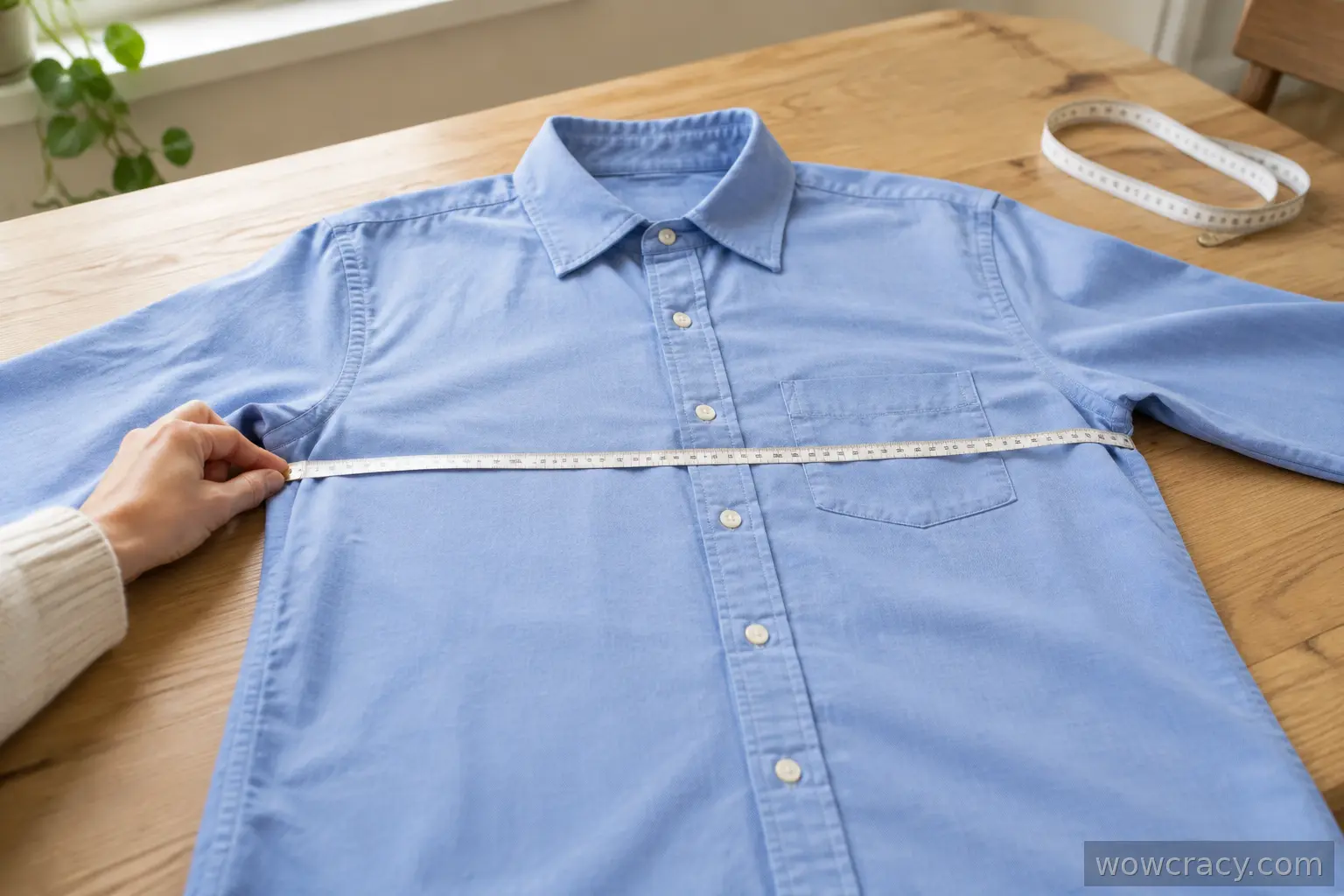
For shoulder garments (shirt, sweater, jacket), the following measurements are usually enough:
- Chest width — from armpit seam to armpit seam across the front.
- Garment length — from the highest point of the shoulder (near the neckline) to the bottom.
- Sleeve length — from the shoulder seam to the edge of the cuff.
- Shoulder width — from shoulder seam to shoulder seam across the back.
For trousers and jeans:
- Waistband circumference: measure the flat, fastened waistband width and double it; check the seller’s method for a curved waistband.
- Hip circumference — from side seam to side seam at the widest part, multiply by two.
- Front and back rise: measure each separately from the crotch seam junction to the top of the waistband along the centre seam.
- Inseam length — from the crotch to the bottom of the leg.
Measure stretch garments at rest first. Add a separate stretched measurement only if the seller provides one using the same method. Do not compare a stretched width with an unstretched width.
First identify what the chart measures. Compare body measurements with body measurements, and garment dimensions with a similar garment. For a fitted dress check bust, waist and hips; for tops also check sleeve and overall length. One matching number is not enough.
How to read the seller’s size chart
A size chart is not a universal document. Each brand has its own measurements, and sometimes different charts for different model lines. Before looking at the letters, find out what exactly the numbers in the table mean: body circumferences or circumferences of the finished garment. These are fundamentally different things.
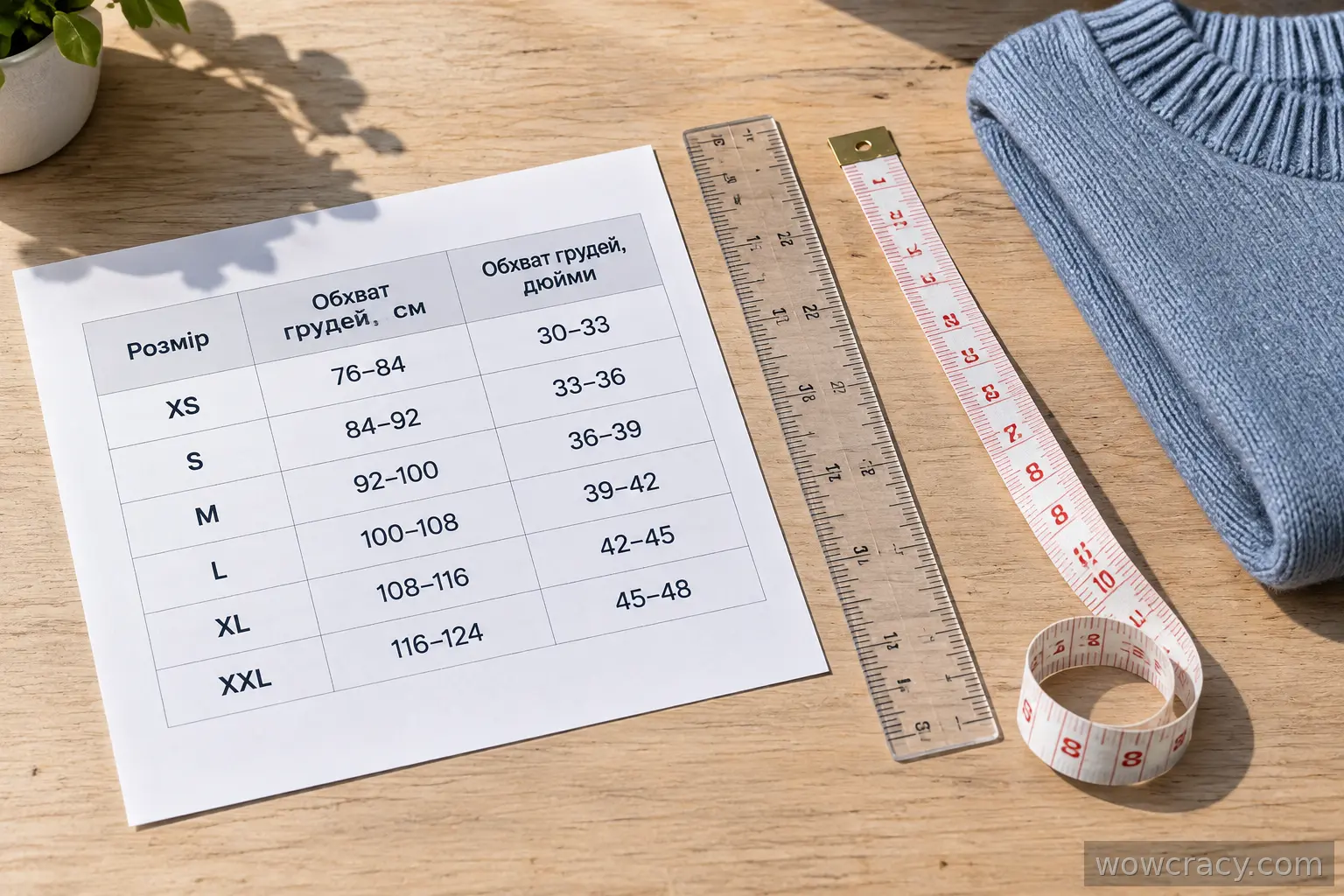
Compare a body-size chart with your body, and garment dimensions with similar clothes you own. Garment circumference minus body circumference is ease. It varies with fabric, cut and intended fit; stretch clothing can have negative ease. A flat width is not a full circumference.
Pay attention to the units of measurement: centimeters or inches. Some international stores provide both scales, but not always. Check whether the size is indicated in inches, and convert if necessary: 1 inch = 2,54 cm.
Reviews saying an item runs small are a reason to ask for that model’s actual dimensions. Prioritize reviews with body measurements and fit preferences. There is no universal half-size adjustment for letter sizes.
What to consider about fabric and cut
Even precise measurements do not guarantee a perfect fit if you do not take into account the properties of the material. The fabric determines how the item will sit in motion, whether it stretches, whether it shrinks after washing.
Here is what to pay attention to in the description:
- Composition. Fibre, construction and finishing all matter. Cotton knits can stretch without elastane; ordinary polyester alone does not guarantee stretch.
- Stretch. Check stretch direction and recovery. Elastane percentage does not guarantee a good fit.
- Density and drape. Light fabrics (chiffon, thin knitwear) emphasize the body’s relief, dense ones (denim, suit fabric) hold their shape.
- Shrinkage. This depends on fabric, finishing, washing and drying. Use the maker’s information rather than adding a universal percentage.
The cut determines where room is intended. A fitted garment need not equal your body measurements, and dropped shoulders may be part of an oversized design. Check fit notes, photos and dimensions; for low-rise bottoms, check where the waistband sits.
A practical checklist before ordering
When you have taken your measurements, measured your favorite item and studied the chart, a few organizational points remain. They do not relate to the size directly, but they affect whether you will be satisfied with the purchase.
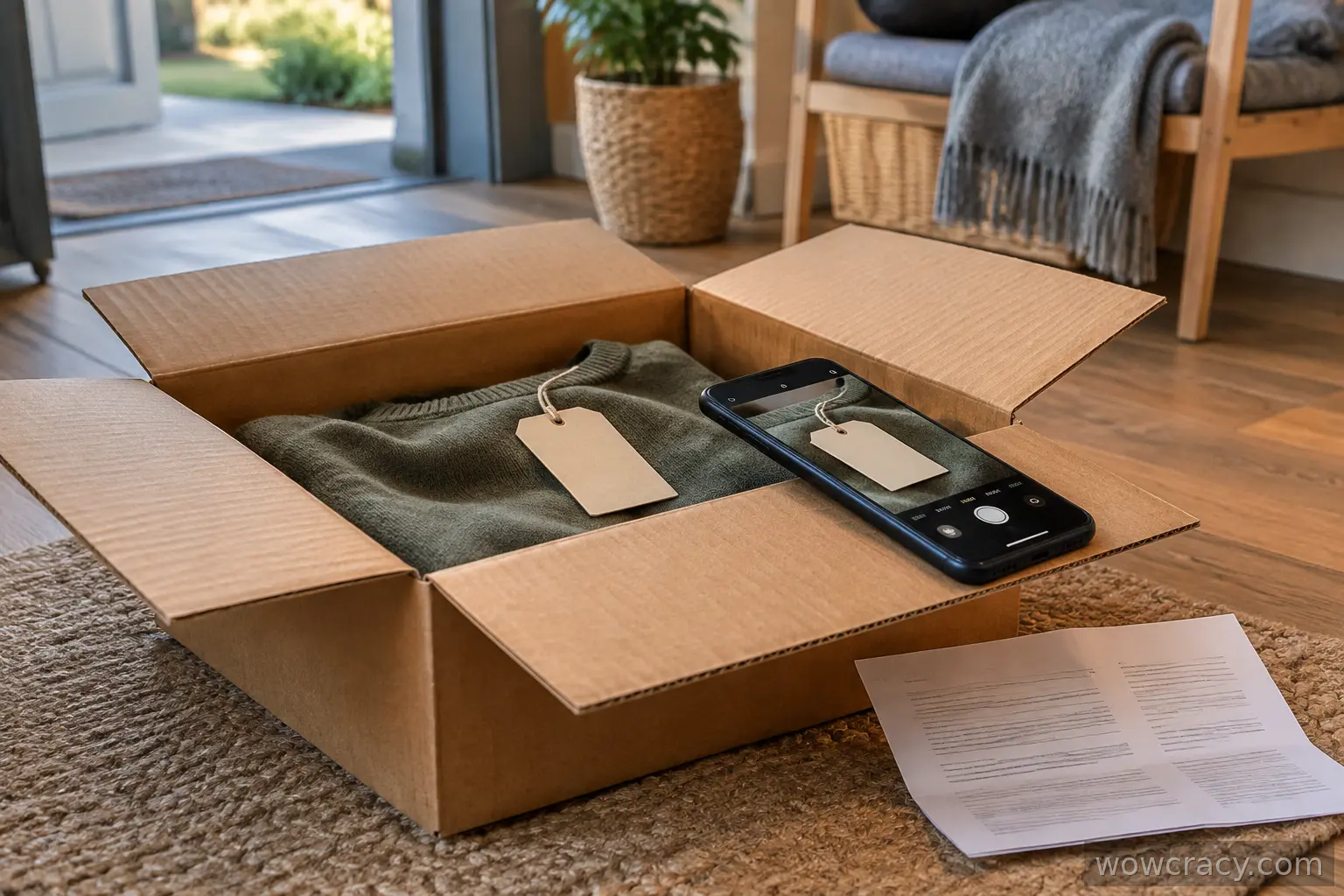
- Check the return and exchange conditions. Can the item be returned if it does not fit in size? Are there restrictions on underwear, swimwear or discounted items?
- Check the size markings with the seller if the chart is incomplete. Write your measurements and ask which size the seller recommends. This is especially useful for brands that use non-standard charts.
- Check availability and delivery times. If the item is needed by a certain date, make sure you will receive it in time.
- Save a screenshot of the size chart and product description. Sometimes sellers change information, and confirmation will help in case of a dispute.
- Compare total cost, dimensions and return terms with other offers. A familiar brand or higher price does not guarantee fit.
If you are buying for the first time in an unfamiliar store, start with one item, not a large order. This way you will check the size compliance and quality before buying more.
What to do if the item does not fit
Try the item on before wearing or washing it, and keep tags and order confirmation. Before paying, check the return deadline, costs, method and exceptions in the seller’s terms and the rules applicable to your purchase. No single deadline covers every store and country.
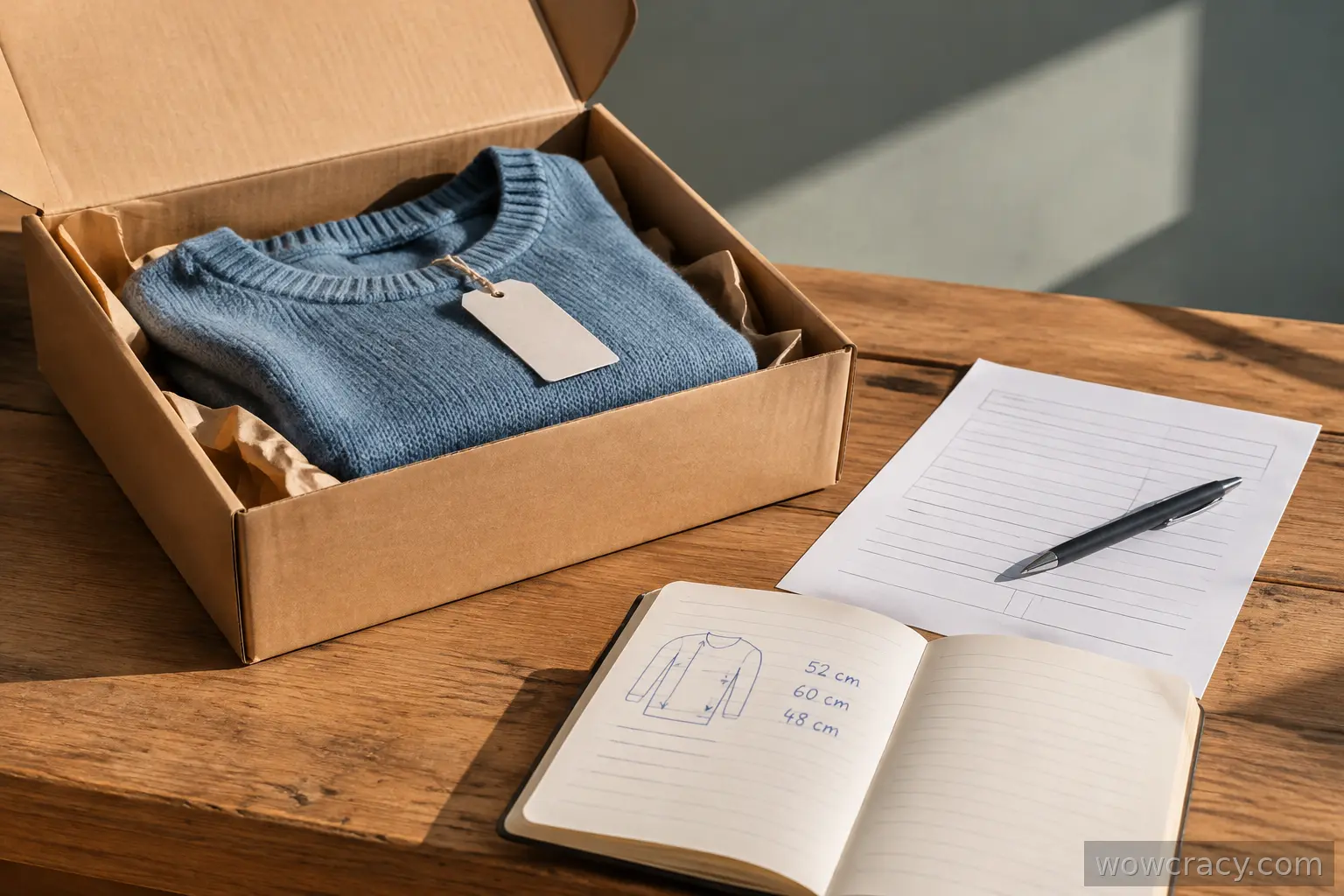
If the item does not fit in size, write to the seller. Sometimes you can exchange it for another size without an additional delivery fee. If an exchange is not possible, process a return according to the instructions.
To avoid repeating the mistake in the future, write down which measurements and which size you chose, and how the item fit. This will help you create your own mini-chart for your favorite brands.
Frequently asked questions
Can size be determined by height and weight alone?
Height and weight give an approximate idea, but do not take into account the distribution of volumes. Two people with the same weight may have different bust, waist and hip circumferences. Therefore, it is better to take measurements with a tape.
What to do if you are between sizes?
Between sizes, compare all key measurements and the guidance for the specific model. Stretch does not automatically mean you should size down: recovery and intended fit matter too. Ask the seller for dimensions if information is missing.
Should you always trust reviews about size?
Reviews are useful but subjective. People have different figures and preferences regarding fit. Look for reviews where people indicate their measurements and height — they are more informative.
How to check whether an item will shrink after washing?
Check the care label and the manufacturer’s shrinkage information. Fibre content alone cannot give an exact percentage. Pre-shrunk means pre-treated, not guaranteed shrink-free; follow the washing and drying instructions.
Brief summary
Buying clothes online by measurements is a skill that saves time and money. Take your body measurements, measure your favorite item, carefully read the seller’s chart and take the fabric into account. And do not forget to check the return conditions. Then the letter on the label will stop being a mystery, and the parcel will more often make you happy.