
After several weeks or months without your usual walks, the first outing often feels like a test. You remember that you used to cover five kilometres easily and try to recreate the same route right away. The next day your calves ache, fatigue sets in, and the desire to repeat the walk disappears. That is exactly how the cycle of “abrupt start — overexertion — long pause” begins.
If a busy schedule interrupted walking and you are generally well, restart with short, manageable outings. A step counter can be a diary but does not account for pain, fatigue or recovery. After illness or surgery, or with persistent symptoms, follow appropriate medical guidance for restarting.
- Why the number in the app is not the starting point
- How to choose a comfortable starting duration
- Approximate starting duration by initial situation
- How to assess intensity while walking
- What else to notice
- When to increase the route and when to take a pause
- Signs that it is worth stopping or stepping back
- How to make walks regular without pressure
- Small details that increase comfort
- Which symptoms require medical assessment
- How to start walking more without turning it into a competition
- An example of a gradual four-week plan
- Frequently asked questions
- Can I skip days?
- What should I do if my muscles hurt after a walk?
- Is special preparation needed before the first walk?
- How do I know I am ready to increase the distance?
- A short algorithm for returning to walking
Why the number in the app is not the starting point
Ten thousand steps is not a mandatory starting target. Physical-activity guidance emphasizes manageable movement and gradual increases. Initially, finding an amount you tolerate without concerning symptoms matters more than reaching a set count.
Another problem with counting steps: it doesn’t distinguish how exactly you moved. A slow walk in the park and a brisk climb up the stairs can produce a similar number, but the load on the heart, joints and muscles will be different. So it is better to set your starting duration in minutes and sensations, and to use steps as a supplementary diary rather than a goal.
How to choose a comfortable starting duration
For a generally well person after an ordinary break, five to ten easy minutes with pauses can be a starting example, not a minimum. Shorter is fine. Choose a level route with an easy return. Do not use this article alone to set a programme after surgery or prolonged bed rest.
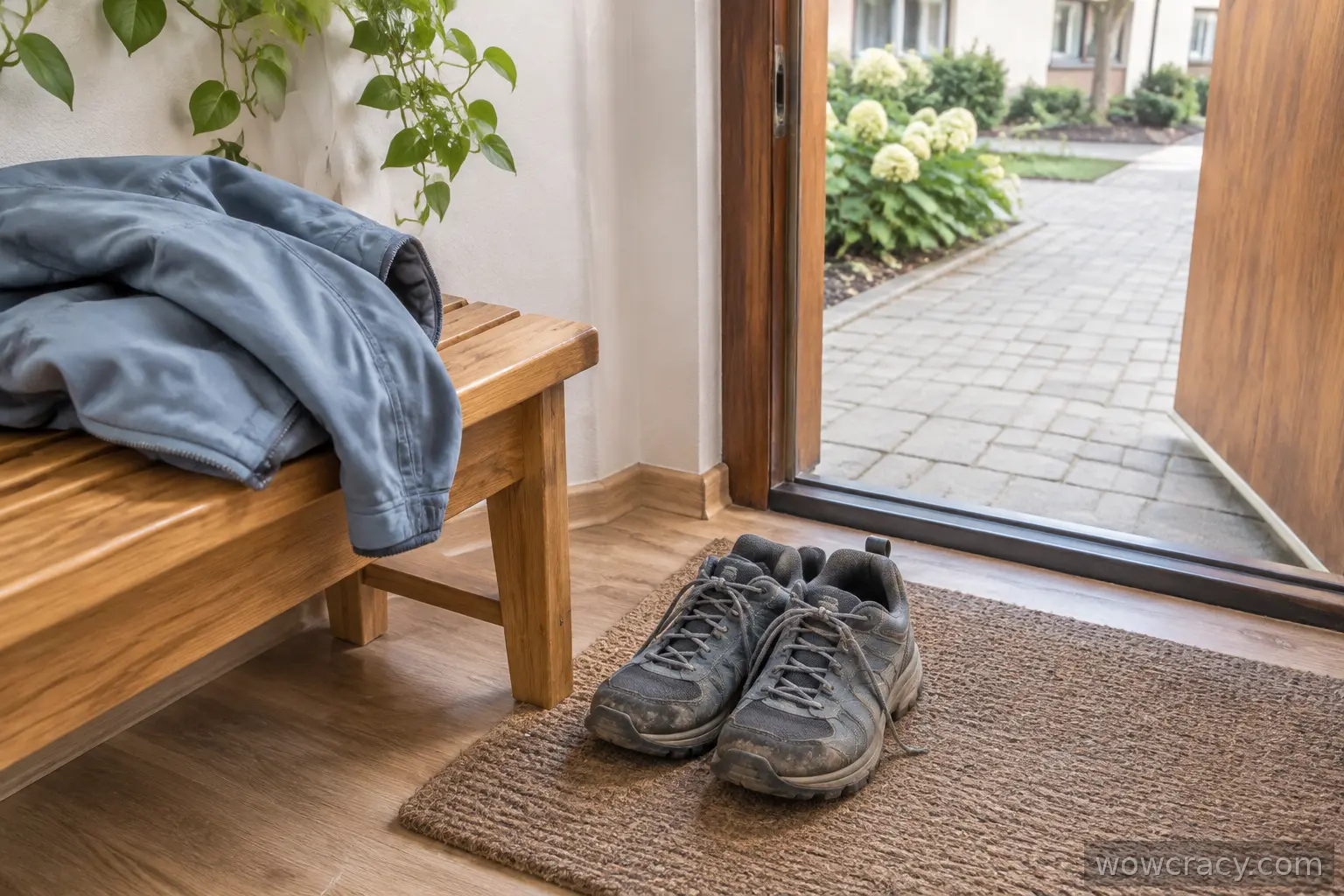
Keep the first outings deliberately easy. Test tolerance and rebuild a routine rather than making up for lost activity. Repeat a manageable amount several times before increasing it.
Approximate starting duration by initial situation
| Situation | Starting duration | Frequency in the first week |
|---|---|---|
| Several months without regular walking, generally healthy | 10–15 minutes | 3–4 times |
| A long break due to a busy schedule or a change in lifestyle | 10 minutes | 3 times |
| Recovering from a mild illness | According to recovery, without a fixed duration | According to symptoms and medical advice when needed |
| After surgery, injury or a long period of bed rest | As recommended by a doctor | As recommended by a doctor |
After procedures, with an unstable chronic condition, pain or unusual breathlessness, discuss activity with your clinician. If even minor activity after illness causes delayed worsening, do not increase it by the calendar; seek individual assessment and activity management.
How to assess intensity while walking
The talk test roughly gauges relative intensity. Moderate activity usually allows talking but not singing; initial easy walks can be lighter still. Slow or stop if speaking becomes difficult. The test does not replace attention to pain or other symptoms.
You can record perceived effort on a zero-to-ten scale, from rest to maximum effort. Use it to compare your own outings, not as a universal clearance to exercise at a particular score. Choose an easy, comfortable pace initially.
What else to notice
- Whether talking is easy and breathing is not unusually difficult; nasal versus mouth breathing is not a safety test by itself.
- Whether dizziness or darkening of vision appears.
- Whether there is a pulling sensation in your calves, shins or lower back.
- Whether you want to stop halfway along your usual route.
These signals matter more than speed. If mild discomfort appears during a walk, it is worth slowing down or taking a short pause — this is not a defeat but a way to maintain regularity.
When to increase the route and when to take a pause
Change one variable after several well-tolerated outings with no worsening afterwards. For example, add a minute or two to one outing or a short route segment. Avoid increasing pace, duration and frequency together.
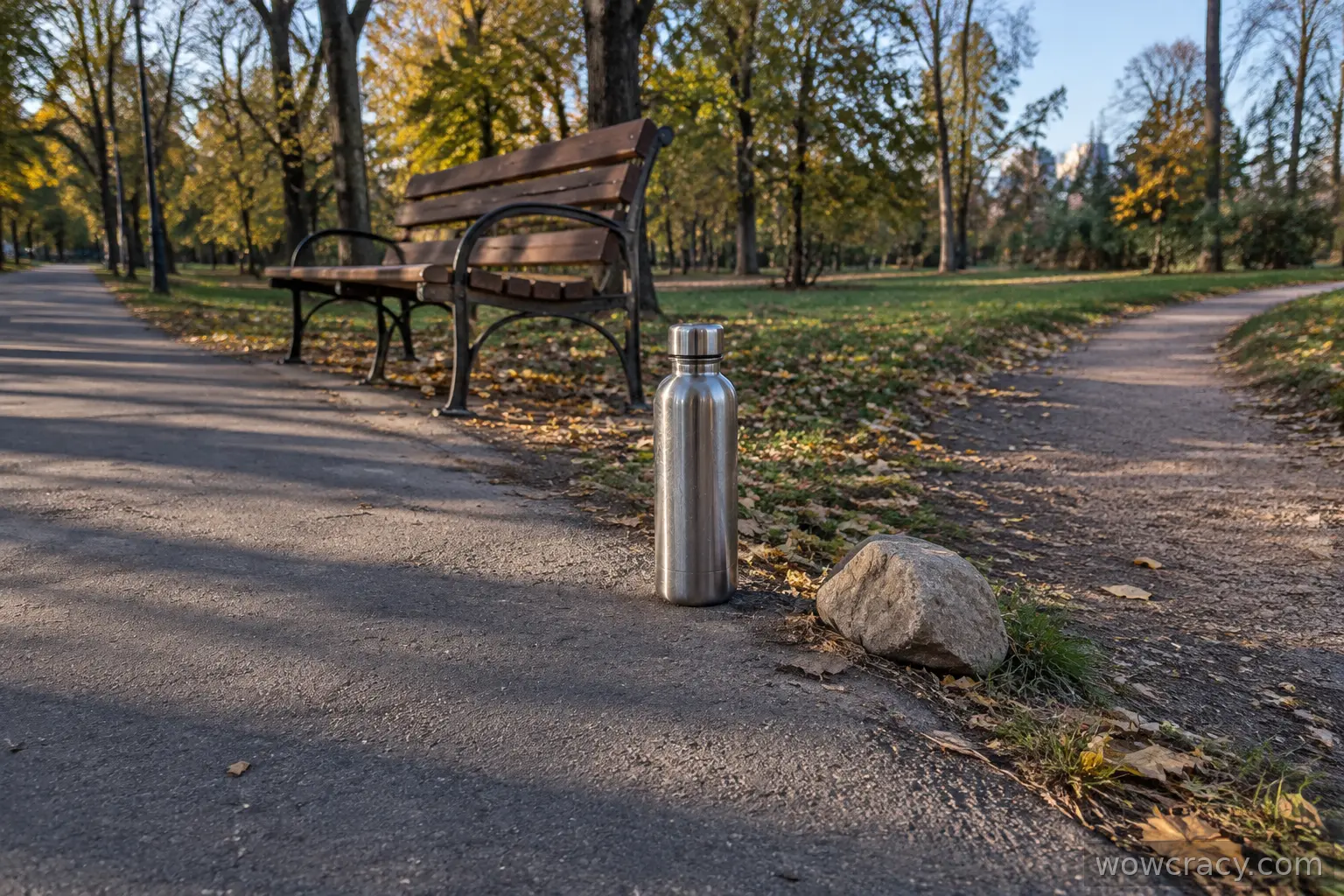
A fixed weekly percentage does not guarantee safety. At a low starting level, even a few minutes can be a substantial increase. Watch the response over subsequent days and keep the previous level if needed.
Signs that it is worth stopping or stepping back
- Fatigue does not pass the day after the walk.
- A joint hurts, rather than just a feeling of muscle fatigue.
- Sleep has worsened or irritability has appeared.
- Shortness of breath has appeared that does not match the pace.
- You have started avoiding walks because they have become unpleasant.
If symptoms worsen, stop progressing and rest. Discuss pain, unusual breathlessness or persistent fatigue with a clinician. Simply returning to the previous route will not resolve every cause.
How to make walks regular without pressure
Regularity matters more than intensity, but achieving it through willpower alone is hard. It helps to tie walks to existing habits: a walk after morning coffee, after lunch or before evening reading. A specific time and route reduce the number of decisions you have to make each time.
A shorter route can help on an ordinary busy day. Illness, marked fatigue or pain can make rest the right choice. Do not compensate for a missed outing with double activity or guilt.
For beginner walks, the principle of “one route — many variations” works well. The same path can be walked slowly, a little faster, with pauses on a bench or with an extra loop. This removes the need to constantly look for new places and allows you to compare how you feel.
Small details that increase comfort
- Comfortable shoes with sufficient cushioning, especially if you have foot problems.
- Clothing suited to the weather that does not restrict movement.
- Water with you in warm weather.
- A favourite route without steep inclines in the first weeks.
Which symptoms require medical assessment
Mild, short-lived muscle tiredness can follow new activity. Symptoms do not always reveal their cause without assessment. Do not automatically label pain, sudden worsening or unusual breathlessness as adaptation.

- Chest pain, pressure or tightness behind the breastbone.
- Sudden or marked breathlessness, especially at rest or with chest pain.
- Dizziness, a pre-fainting state, darkening of vision.
- A heartbeat felt as an irregular rhythm.
- Sharp joint pain, swelling, redness or inability to put weight on the leg.
- Sudden one-sided weakness or numbness, speech difficulty or facial droop: seek emergency help.
Call local emergency services for new severe chest pain or pressure, especially with breathlessness, cold sweat or nausea. Do the same for sudden one-sided weakness, facial droop, speech difficulty, fainting or severe breathing difficulty. Do not wait for a routine appointment or force yourself to walk home. Other new or recurring symptoms also need timely assessment.
How to start walking more without turning it into a competition
Fitness apps and pedometers can be useful, but their logic often pushes towards daily growth. For someone after a break this is risky. It is smarter to use the app as a diary: record how much you walked, how you felt before and after, whether there was pain. After two or three weeks you will see your own patterns — for example, that a walk after lunch is easier than in the morning, or that a longer route is better tolerated every other day.
Compare your outings by comfort and recovery rather than other people’s records. Consecutive walking days are not a required measure of progress; breaks and rest can be part of the plan.
An example of a gradual four-week plan
- Week 1: a few short easy outings, such as five to ten minutes if comfortable.
- Week 2: repeat a manageable amount and assess recovery, with no required increase.
- Week 3: if well tolerated, try adding a minute or two to one outing; otherwise keep the previous level.
- Week 4: reassess comfort and recovery. Repeat the stage or cautiously change one variable.
This example is only an idea for a generally well person returning after a scheduling break. Repeat a stage, shorten it or rest when needed. It is not a rehabilitation programme after illness or surgery.
Frequently asked questions

Can I skip days?
Yes. Rest and a flexible schedule are compatible with regular activity. Return to a manageable amount when ready without making up missed sessions.
What should I do if my muscles hurt after a walk?
Mild muscle fatigue that passes within one or two days is a normal reaction to a new load. If the pain is sharp, localized in a joint or makes walking difficult, it is worth reducing the duration and paying attention to your shoes and route. Persistent pain requires a doctor’s consultation.
Is special preparation needed before the first walk?
For most people, comfortable shoes and a moderate pace are enough. If you have chronic conditions or are recovering from surgery, it is better to consult a doctor in advance about the permissible load.
How do I know I am ready to increase the distance?
After several comfortable outings without worsening afterwards, try a small increase in one variable. If uncertain or experiencing post-illness symptoms, discuss the plan with a clinician first.
A short algorithm for returning to walking
Choose a short manageable route and easy pace, then record your response during and after it. Repeat a comfortable level and increase only when well tolerated. Stop for warning symptoms and follow the medical-help guidance; do not pursue consistency at the cost of worsening health.